What Makes an Event Last?
How Events Create Long-Term Value
For a long time, there was a simple formula for successful business events: high attendance, satisfied guests, and a smooth-running program. Today, organising a business event means more than bringing people together for a single occasion. It means laying the groundwork for something that continues to have an impact long afterwards: as knowledge, as a platform for dialogue, and as a tangible tool for the wider industry.
The good news is that legacy can be planned. It doesn’t arise by chance, but through deliberate decisions – starting with the event’s conception and not just afterward.
Why Legacy Should be Part of the Plan
How Legacy Creates Long-Term Value: Three Dimensions
Legacy goes beyond sustainability or corporate social responsibility. It imparts knowledge, creates social value, or embeds new approaches in practice. It can also have an economic impact, strengthen networks, or shape an organization’s reputation over the long term.
For events with a long-term impact, it is advisable to start with one or two types of legacy. The key is to choose approaches that align with the event’s topic and objectives. The following examples from Zurich show how varied the effects of legacy can be.
1. Strengthen the Ecosystem and Community
What’s it all about?
An event strengthens the ecosystem of an industry or a specific topic. It connects relevant stakeholders and creates a framework in which long-term collaborations, knowledge exchange, and joint initiatives can flourish.
Added Value:
A strong legacy in networking and ecosystem development positions an event as a central hub for an industry, increases its appeal to participants and partners, and strengthens the local economy in the long term.

The Zurich AI Festival
The Zurich AI Festival brings together researchers, companies, startups, investors, and decision-makers, thereby strengthening the AI ecosystem in the Zurich region. A white paper featuring the 100 most influential women in AI&Data also highlights the community’s expertise and helps position Zurich as a leading AI hub.
2. Create Societal Value
What’s it all about?
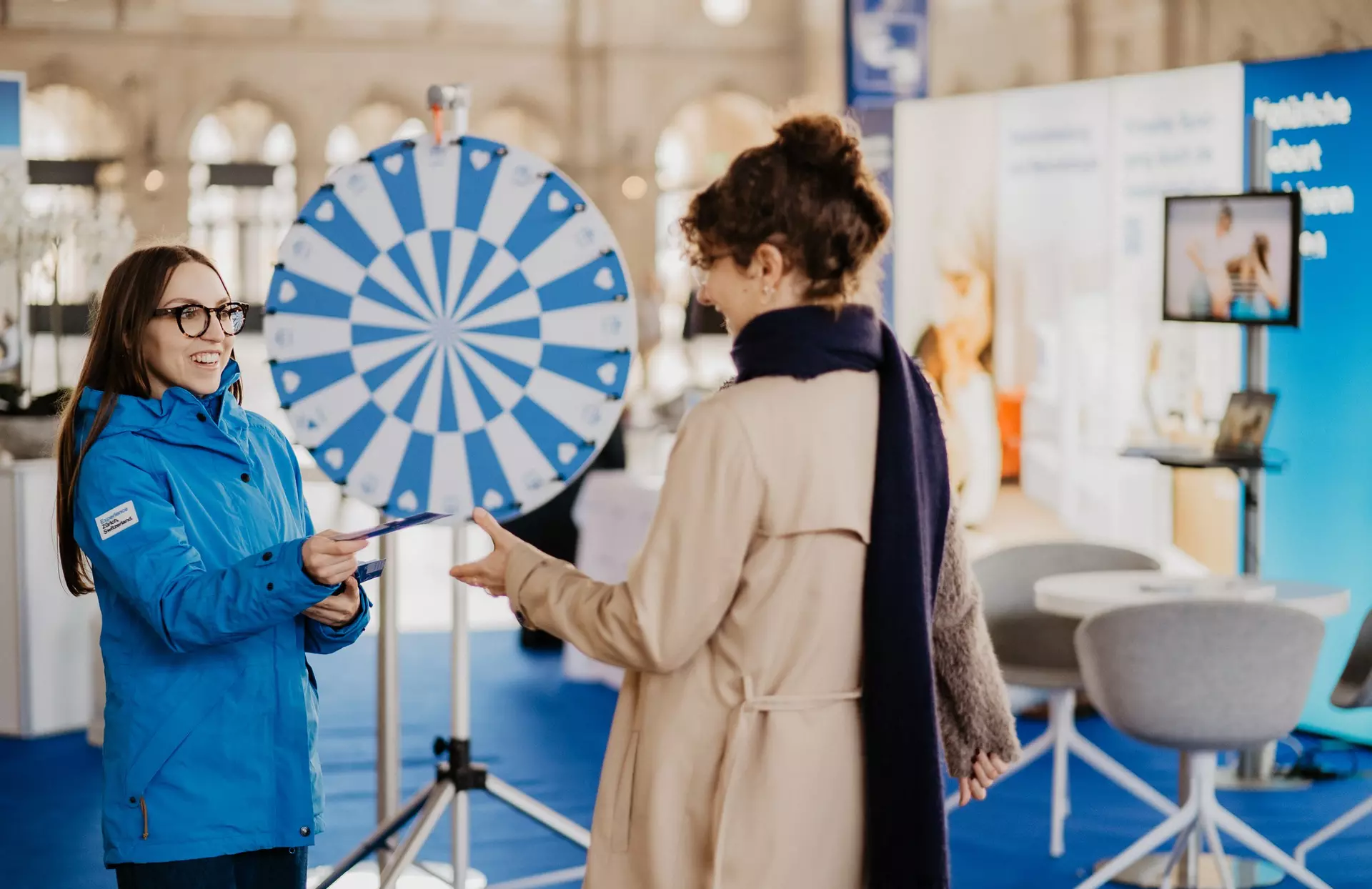
An event fosters dialogue and raises visibility beyond the professional audience – for example, through a public information booth, an open panel discussion, or a partnership with local institutions.
Added Value:
A social legacy increases media attention for events, strengthens their social relevance, and provides compelling arguments for grant applications and sponsors.
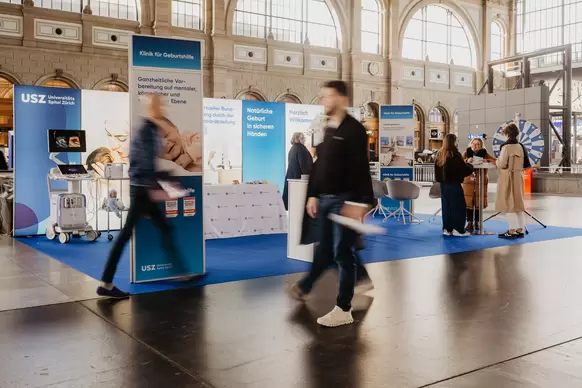
Information Booth by the USZ Department of Obstetrics
The medical standards and innovations discussed during a masterclass on obstetrics have a direct impact on healthcare and decision-making for the people of Zurich. The information booth at Zurich Main Station aimed to make the insights gained within the professional community accessible beyond the clinical context.
3. Create Practical Value
What’s it all about?
An event produces a concrete tool that others can apply immediately – such as a guide, standard, or practical instruction manual.
Added Value:
A practical legacy creates a visible, long-lasting outcome that organizations can communicate internally and externally as a tangible result and use in future bidding processes.
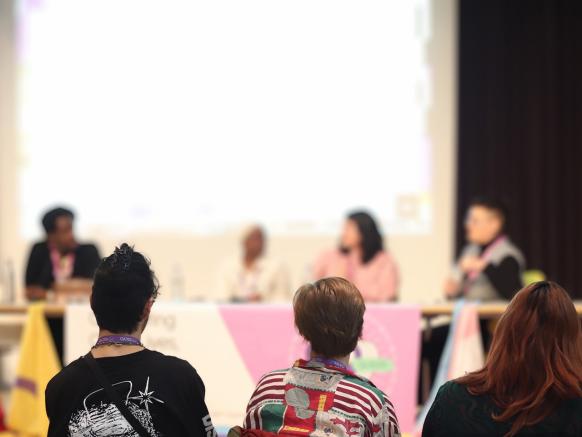
IGLYO Conference: Guide to Queer-Friendly Event Planning
As part of the IGLYO conference, a guide to queer-friendly event planning was developed. It offers specific recommendations, contacts, and examples for the various phases of event planning – intended as guidance, not as rules. The Zurich Convention Bureau and Milchjugend Zürich will actively share the guide with organizers planning events in Zurich.
Useful Information for Event Planning
Contacts and Resources