From the Conference to a Guide for Inclusive Events
A Conference With Impact
Where it Started
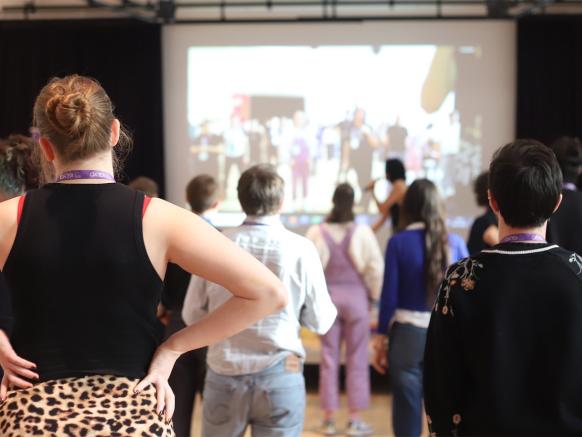
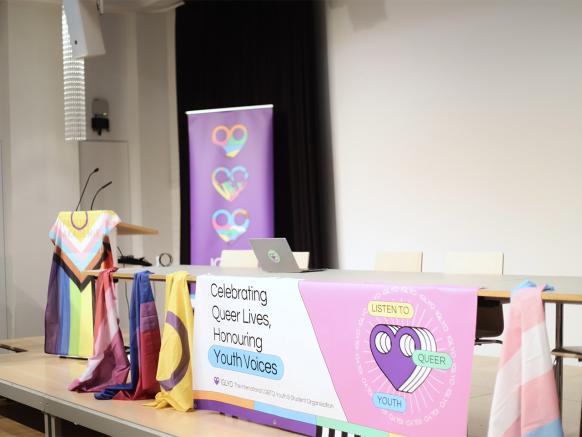
Young people from all over Europe gathered in Zurich for the Annual Members Conference of IGLYO, the international network of queer youth organizations.
The conference was organized by Milchjugend, the largest queer youth organization in German-speaking Switzerland.
Turning Experience Into Legacy
Making Insights Useful for Future Events
In the early planning phase, the idea arose – in collaboration with the Zurich Convention Bureau – to ensure that the lessons learned from organizing the conference could be put to use in the long term. The central question was: How can we make events more inclusive, and how can that knowledge be shared with future organizers? This led to the development of a practical guide for organizing more inclusive events.
What makes a conference accessible to young queer people? What are potential barriers? And how can we put inclusive measures into practice in Zurich?

A Practical Guide to Inclusive Events
The guide brings together recommendations and insights on topics such as:
- accessible venues
- inclusive communication
- quiet and safe spaces
- catering for different needs
- local resources and partners
This guide is intended as a resource to help event organizers incorporate inclusion from the very beginning.
The guide will be available for download soon.
Three Lessons for Event Planners
Sara Boy on Experiences at the IGLYO Annual Members Conference
Creating a legacy that has an impact beyond the event itself raises important questions. Sara Boy was closely involved in the process and shares key insights into developing a lasting legacy and the guide for inclusive events that grew out of it.
1. Think About Legacy From the Start
The impact of an event doesn’t have to end when the event does. Defining its longer-term purpose during the planning phase can help turn ideas and experiences into lasting value.
“Ideally, you set a goal from the very beginning and keep working toward it: What should the event achieve beyond simply taking place?”
2. Document What You Learn
Guides, checklists, and toolkits can turn individual experiences into practical resources for future events. Documenting what worked, what didn’t, and what others can learn from it helps knowledge travel from one event to the next.
“Knowledge transfer is essential. We can learn from past events and legacy projects, document our own experiences, and use them for future events to keep improving.”
3. Tap Into Local Knowledge
Local partners know the destination, its infrastructure, and relevant points of contact. This knowledge can be crucial not only for planning inclusive events but also for successfully executing them on-site.
“Partnerships with local stakeholders are a huge advantage. Working with the Zürich Convention Bureau, it was not only possible to develop the guide for queer-friendly events and conferences; thanks to this collaboration, participants were also able to get around Zurich as worry-free as possible.”
Events That Make an Impact
Business Destination